Select Country



Select Country
What are you looking for?

Pharm Access Africa Limited
We believe Access to affordable healthcare options
Is a basic human right.
Read more...
Pharm Access Africa Limited
We believe Access to affordable healthcare options
Is a basic human right.
Read more...
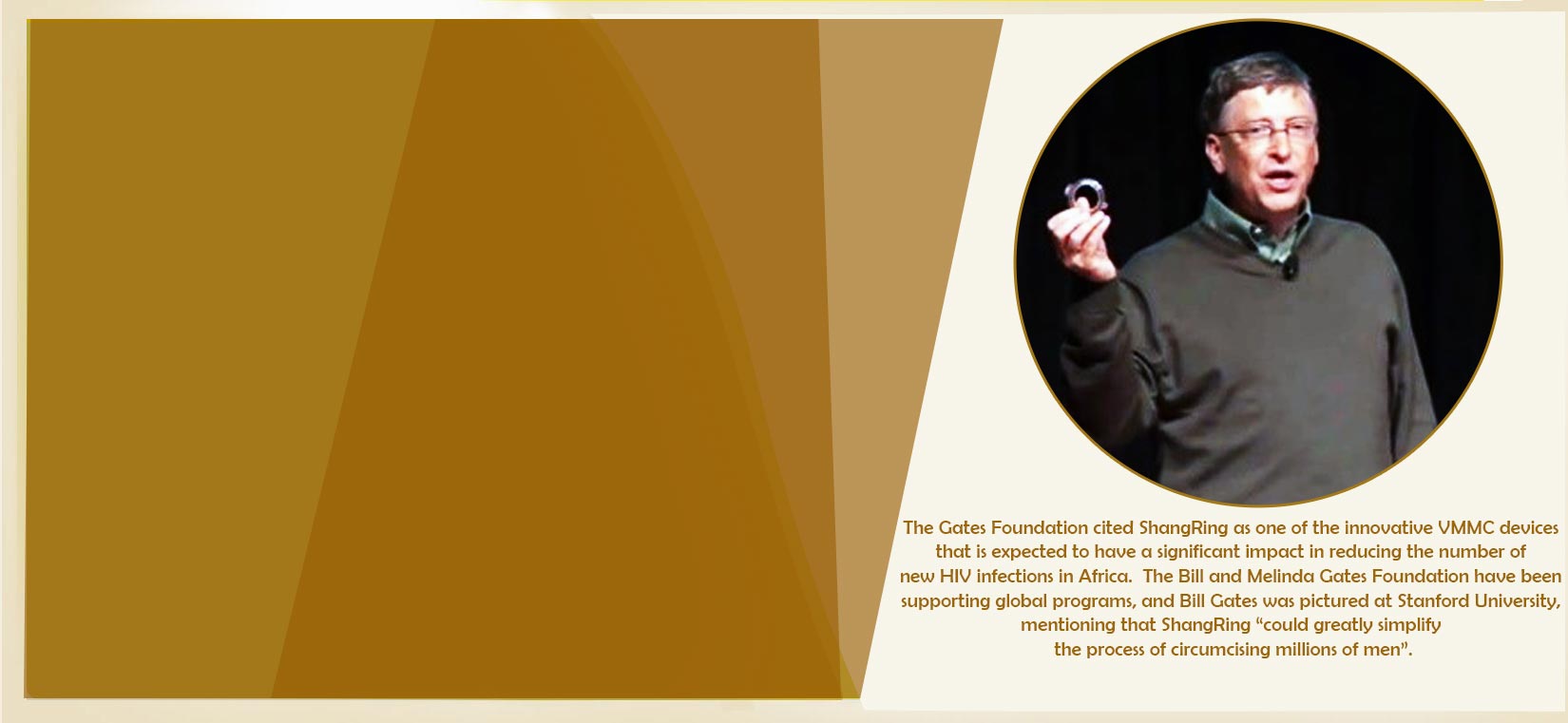
Shangring
ShangRing is a novel disposable circumcision device consisting of two concentric rings, inner and outer, and a silicon pad. The two rings lock together over the foreskin of the male
reproductive organ and the silicon pad provides a good non bio-reactive surface.
Read more...
Shangring
ShangRing is a novel disposable circumcision device consisting of two concentric rings, inner and outer, and a silicon pad. The two rings lock together over the foreskin of the male
reproductive organ and the silicon pad provides a good non bio-reactive surface.

Zarin
Access to healthcare
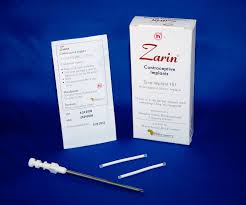
Zarin®, Levoplant, also known as Sino-implant (II), is a subcutaneous contraceptive implant manufactured in China by Shanghai Dahua Pharmaceutical Company Limited. The implant is composed of two thin, flexible rods made of medical grade silicone, each containing 75 mg of levonorgestrel (a synthetic progestin).
Read more...
Zarin
Access to healthcare
Zarin®, Levoplant, also known as Sino-implant (II), is a subcutaneous contraceptive implant manufactured in China by Shanghai Dahua Pharmaceutical Company Limited. The implant is composed of two thin, flexible rods made of medical grade silicone, each containing 75 mg of levonorgestrel (a synthetic progestin).

HIV at the Workplace
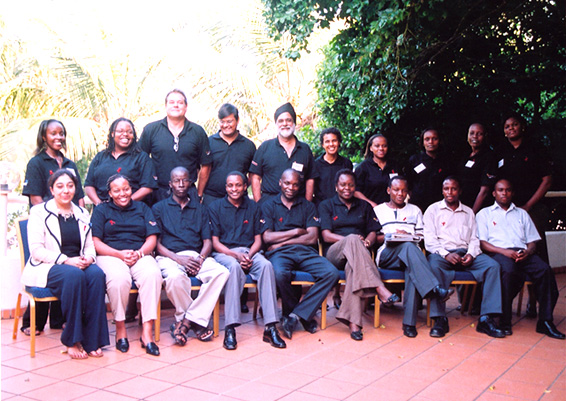
Pharm Access Africa Limited Limited (PAAL) was selected by Aureos Capital to start and implement an HIV/AIDS workplace program with a group of companies in East Africa.
The Program was launched at the Holiday Inn in Nairobi on June 19th 2008.
Read more...
HIV at the Workplace
Pharm Access Africa Limited Limited (PAAL) was selected by Aureos Capital to start and implement an HIV/AIDS workplace program with a group of companies in East Africa.
The Program was launched at the Holiday Inn in Nairobi on June 19th 2008.

Gold Star Network
The Gold Star Network is a social franchise program established in 2006 to promote comprehensive & quality HIV care amongst a network of private health providers in Kenya. The network addresses issues relating to quality legal support, psycho-social support, counseling and access to cost-effective laboratory services and medication.
Gold Star Network
The Gold Star Network is a social franchise program established in 2006 to promote comprehensive & quality HIV care amongst a network of private health providers in Kenya. The network addresses issues relating to quality legal support, psycho-social support, counseling and access to cost-effective laboratory services and medication.
AAART
Access to healthcare
Is a basic human right,
and not a privilege reserved for the rich
and for those Living in developed Countries.
Enhancing Access to Healthcare in Africa.
Fighting HIV with hope
AAART
Access to healthcare
Is a basic human right,
and not a privilege reserved for the rich
and for those Living in developed Countries.
Enhancing Access to Healthcare in Africa.
Fighting HIV with hope

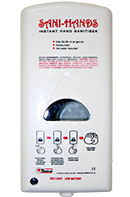
SANI-HANDS Touch free Automatic Dispenser
Access to healthcare
Is a basic human right,
and not a privilege reserved for the rich
and for those Living in developed Countries.
Enhancing Access to Healthcare in Africa.
Fighting HIV with hope
SANI-HANDS Touch free Automatic Dispenser
Access to healthcare
Is a basic human right,
and not a privilege reserved for the rich
and for those Living in developed Countries.
Enhancing Access to Healthcare in Africa.
Fighting HIV with hope
About Us
Access to healthcare
Is a basic human right,
and not a privilege reserved for the rich
and for those Living in developed Countries.
Enhancing Access to Healthcare in Africa.
Fighting HIV with hope
About Us
Access to healthcare
Is a basic human right,
and not a privilege reserved for the rich
and for those Living in developed Countries.
Enhancing Access to Healthcare in Africa.
Fighting HIV with hope
Contact Us
Access to healthcare
Is a basic human right,
and not a privilege reserved for the rich
and for those Living in developed Countries.
Enhancing Access to Healthcare in Africa.
Fighting HIV with hope
Contact Us
Access to healthcare
Is a basic human right,
and not a privilege reserved for the rich
and for those Living in developed Countries.
Enhancing Access to Healthcare in Africa.
Fighting HIV with hope
Our Projects...

Our Mission”
“To increase quality and affordable healthcare access options for Africa”